Platform Lifts: Types, Benefits and How to Choose the Right One
A complete UK guide to platform lifts — the types, benefits, installation, maintenance, and how to choose the right lift and installer.
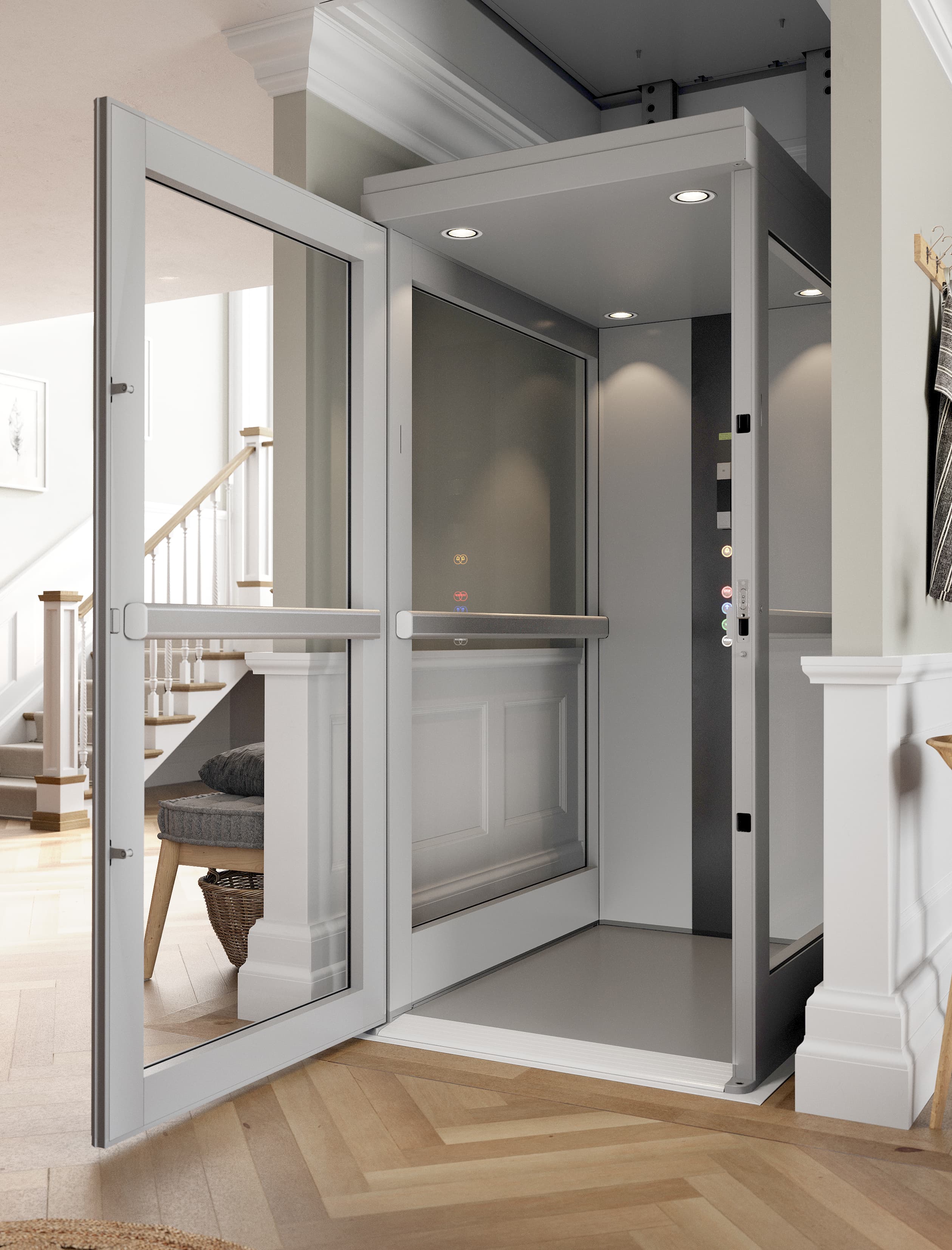
Platform Lifts: Types, Benefits and How to Choose the Right One
As we explore the world of accessibility, one important solution stands out: platform lifts. These lifts are designed to help people with mobility challenges move easily between different levels of a building. Imagine trying to enter a shop or a friend's house, only to find stairs blocking your way. This is where platform lifts come into play, making it easier for everyone to access spaces they need or want to visit.
The need for accessibility solutions is growing every day. More people are recognising that buildings should be welcoming to everyone, regardless of their physical abilities. Whether it's a public library, a shopping centre, or a private home, having a platform lift can make a huge difference. It allows individuals with disabilities, the elderly, and even parents with prams to navigate spaces without barriers.
In recent years, laws and regulations have pushed for better accessibility in public and private buildings. This means that more places are required to have features like ramps and lifts. Platform lifts not only meet these requirements but also enhance the overall experience for all visitors. They can be installed in various locations, such as residential homes, offices, and even outdoor spaces, providing flexibility and convenience.
By incorporating platform lifts, we are not just complying with regulations; we are embracing an inclusive mindset. Accessibility is about more than just physical structures; it's about creating an environment where everyone feels welcome. As we continue to improve our buildings and public spaces, platform lifts play a crucial role in this transformation.
In the following sections, we will dive deeper into what platform lifts are, the different types available, their benefits, and how to choose the right one for your needs. Let's take this journey together towards a more accessible future for all!
Now that we understand the importance of accessibility, let's dive into what platform lifts actually are. A platform lift is a mechanical device that helps people move between different levels of a building. Unlike traditional lifts, which are often larger and require a dedicated shaft, platform lifts can be more compact and are designed specifically for accessibility. They are also different from ramps, which require more space and can be difficult for some individuals to navigate.
Types of Platform Lifts
There are several types of platform lifts, each designed for specific needs and situations. Understanding these types can help you choose the right one for your space.
Vertical Platform Lifts
Vertical platform lifts are the most common type. They move straight up and down, similar to a lift but usually on a smaller scale. These lifts are great for homes, schools, and public buildings. They can be installed indoors or outdoors and are perfect for overcoming height differences like stairs or kerbs. One of the main advantages of vertical platform lifts is their ability to accommodate wheelchairs and mobility scooters easily. This makes them a fantastic option for those who need a reliable way to access different floors.
Inclined Platform Lifts
Inclined platform lifts are designed to move along a slope. They are often used on staircases, allowing individuals to ride up or down the stairs without leaving their wheelchair. This type of lift is ideal for places where space is limited, and it can be installed on both straight and curved staircases. Inclined platform lifts are beneficial because they can be less intrusive than vertical lifts and often require less construction work. They provide a safe and efficient way to navigate stairs while ensuring accessibility for everyone.
Portable Platform Lifts
As the name suggests, portable platform lifts are designed to be moved from one location to another. They are lightweight and easy to set up, making them a great option for temporary needs or events. For example, if you are hosting a community event and need to make a stage accessible, a portable platform lift can be a perfect solution. These lifts are versatile and can be used in various settings, from schools to outdoor fairs, ensuring that everyone can participate.
In summary, platform lifts come in different types to meet various needs. Whether you need a vertical lift for a home, an inclined lift for a staircase, or a portable lift for special events, there is a solution available. By choosing the right platform lift, you can help create a more accessible environment for everyone. In the next sections, we will explore the benefits of these lifts and where they can be installed to maximise accessibility.
Benefits of Platform Lifts
Now that we have explored what platform lifts are, let's look at the many benefits they offer. Installing a platform lift in a building can transform the space and make it more welcoming for everyone. Here are some key advantages:
Improved Accessibility
One of the most significant benefits of platform lifts is that they greatly enhance accessibility for individuals with mobility challenges. Whether it's someone in a wheelchair, an older adult, or a parent with a pram, platform lifts make it easier for everyone to move between floors. This means that more people can enjoy public spaces, attend events, and visit friends and family without facing barriers. By improving accessibility, we create a more inclusive environment that respects and accommodates everyone's needs.
Space Efficiency
Platform lifts are designed to be compact, which makes them a space-efficient option compared to traditional lifts. Traditional lifts require a lot of room for the shaft and machinery, while platform lifts can often be installed in tighter spaces. This is especially useful in homes or smaller buildings where every square metre counts. By saving space, platform lifts allow for more flexible design options in buildings, making it easier to create accessible environments without sacrificing room for other important features.
Cost-Effectiveness
When it comes to budget, platform lifts can be a more cost-effective solution than traditional lifts. The installation costs are generally lower, and they often require less maintenance. Additionally, since they can be installed in smaller spaces, the overall construction costs can be reduced. For businesses and homeowners looking to enhance accessibility without breaking the bank, platform lifts present a smart financial option.
Safety Features
Safety is a top priority when it comes to any lifting device. Platform lifts come equipped with various safety features to ensure users can operate them with confidence. Common safety features include emergency stops, safety sensors that detect obstacles, and non-slip surfaces to prevent falls. These features help to provide peace of mind for users and their families, knowing that safety is built into the design of the lift.
In summary, the benefits of installing platform lifts are clear. They improve accessibility, save space, are cost-effective, and come with essential safety features. By considering a platform lift, you are not just making a choice for convenience; you are actively contributing to a more inclusive and accessible world. In the next section, we will discuss where these lifts can be installed to maximise their impact.
Where Platform Lifts Can Be Installed
As we consider the many benefits of platform lifts, it's important to think about where these lifts can be installed. The right location can make all the difference in enhancing accessibility for everyone. Here are some suitable places for installing platform lifts:
Residential Buildings
In homes, platform lifts can be incredibly beneficial, especially for elderly individuals or those with disabilities. Many homes have stairs that can pose a challenge for those with mobility issues. By installing a platform lift, family members can easily move between floors without assistance. This not only promotes independence but also enhances safety, reducing the risk of falls. Whether it's a small residential building or a larger multi-storey home, platform lifts can be tailored to fit various spaces and needs.
Commercial Spaces
Platform lifts are just as important in commercial settings. Retail shops, offices, and public buildings must be accessible to everyone, including customers and employees with mobility challenges. Installing platform lifts in these spaces ensures compliance with accessibility laws and regulations. They help create a welcoming environment for all, allowing everyone to shop, work, and participate in community activities without barriers. For businesses, providing accessibility can also improve customer satisfaction and loyalty, making it a smart investment.
Public Transportation
Public transportation is another critical area where platform lifts play a vital role. Buses, trains, and underground systems must be accessible to all passengers, including those who use wheelchairs or have other mobility challenges. Installing platform lifts at stations and stops can significantly improve access to public transport. This makes it easier for everyone to travel, whether they are commuting to work, going to school, or visiting friends. By enhancing accessibility in public transportation, we can encourage more people to use these services, reducing traffic and promoting a more sustainable environment.
In conclusion, platform lifts can be installed in various locations, including residential buildings, commercial spaces, and public transportation systems. Each installation plays a part in creating a more inclusive world. By considering these locations, we can ensure that everyone has the opportunity to move freely and safely in their communities. In the next section, we will discuss the installation process and what to expect when adding a platform lift to your space.
The Installation Process
Now that we understand the importance of platform lifts and where they can be installed, let's look at the installation process. Installing a platform lift involves several key steps to ensure it meets safety and accessibility standards. Here's how the process typically unfolds:
Planning and Design
The first step in installing a platform lift is careful planning and design. It's crucial to determine the best location for the lift based on the building's layout and the needs of its users. Consider factors such as foot traffic, available space, and how the lift will fit into the existing structure. It's also important to ensure that the design complies with local accessibility standards and regulations. This planning phase sets the foundation for a successful installation and helps avoid issues later on.
Choosing the Right Platform Lift
Once you have a plan in place, the next step is to choose the right platform lift. There are different types of lifts available, as we discussed earlier, including vertical, inclined, and portable lifts. When selecting a lift, think about the specific needs of the users. For example, if the lift will be used primarily by wheelchair users, a vertical lift may be the best choice. Additionally, consider the building's specifications, such as weight capacity and dimensions. Consulting with a professional can help you make the best decision for your situation.
Installation Steps
After selecting the right lift, it's time to move on to the installation process. Here's a general outline of the steps involved:
Site Preparation: Before installation begins, the area where the lift will be placed needs to be prepared. This may involve clearing the space, making any necessary structural changes, and ensuring that the area is safe and accessible.
Installing the Lift: The actual installation involves setting up the platform lift according to the manufacturer's instructions. This includes securing it in place, connecting it to power sources, and ensuring all safety features are operational.
Final Adjustments: Once the lift is installed, it's important to test it thoroughly. This includes checking its operation, adjusting settings, and ensuring that all safety features work correctly. It's also a good idea to provide training for users to help them feel comfortable using the lift.
Inspection: After installation, a final inspection may be required to ensure that everything meets local codes and regulations. This step is vital for safety and compliance.
In summary, the installation process for a platform lift involves careful planning, selecting the right lift, and following specific installation steps. By taking the time to do it right, you can ensure that the lift will provide safe and convenient access for years to come. In the next section, we will discuss the importance of maintaining platform lifts to keep them functioning optimally.
Maintaining a Platform Lift
Now that we've discussed the installation process for platform lifts, it's crucial to highlight the importance of maintenance. Regular maintenance is essential to ensure that platform lifts remain safe and reliable for users. Just like any other mechanical device, platform lifts require care to function properly over time.
Routine Inspections
Routine inspections play a vital role in the maintenance of platform lifts. These inspections should be conducted regularly, ideally every six months or as recommended by the manufacturer. During an inspection, a qualified technician should check several key components, including:
Safety features: Ensure that emergency stops, safety sensors, and alarms are functioning correctly.
Mechanical parts: Inspect the lift's moving parts for wear and tear, and lubricate them as necessary.
Electrical systems: Check wiring and connections to ensure there are no loose or damaged components.
Structural integrity: Look for any signs of damage to the lift platform or surrounding area.
By conducting routine inspections, you can catch potential issues before they become serious problems, ensuring the lift remains safe for all users.
Common Maintenance Issues
Even with regular inspections, some common maintenance issues may arise with platform lifts. Here are a few examples and how to address them:
Lift not moving: If the lift fails to move, it could be due to a power issue or a problem with the control system. Check the power supply and ensure that all connections are secure. If the problem persists, it may require a technician's assistance.
Strange noises: Unusual sounds during operation can indicate mechanical issues. It's important to investigate these noises immediately, as they may signal that parts need lubrication or replacement.
Obstructions: Sometimes, debris or objects can block the lift's path. Regularly check the area around the lift to ensure it is clear and safe for operation.
Wear and tear: Over time, components may wear out and need replacement. Keeping an eye on the condition of the lift will help you identify when parts need to be serviced or replaced.
In summary, maintaining platform lifts is essential for safety and reliability. Regular inspections and addressing common maintenance issues will help ensure that lifts function smoothly and effectively for all users. By prioritising maintenance, you can keep the lifts operational and provide a safe environment for everyone who relies on them. In the next section, we will conclude our discussion on platform lifts and their role in enhancing accessibility.
Choosing a Provider
As we wrap up our discussion on platform lifts, it's essential to talk about choosing a provider. Selecting the right company for purchasing and installing a platform lift can make a big difference in your experience. Here are some important factors to consider when making your choice:
Factors to Consider
Experience: Look for a provider with a solid track record in the industry. Companies that have been around for several years often have the expertise to handle various installation challenges. Experienced providers are also more likely to understand the specific needs of different users.
Customer Service: Good customer service is crucial when choosing a provider. You want a company that is responsive to your questions and concerns. Reach out to potential providers to see how they handle inquiries. A friendly and knowledgeable staff can make the process smoother.
Warranty Options: Check what warranty options are available for the platform lifts. A good warranty can give you peace of mind, knowing that you are covered in case of any issues. Make sure to read the fine print and understand what is included and for how long.
Reviews and Testimonials: Look for reviews and testimonials from previous customers. This feedback can provide insight into the experiences others have had with the provider. Positive reviews can indicate a reliable and trustworthy company.
How Platform Lift UK Helps
Platform Lift UK is an independent matching service — we don't sell or install lifts ourselves. Instead, we listen to what you need and connect you with vetted lift companies suited to your property, budget and timescale, completely free and with no obligation at any stage. Because we're independent of the installers, our advice isn't tied to any single product range.
We support you throughout the process, from working out which type of lift fits your building to introducing you to the right specialist for installation and ongoing maintenance. Because the companies in our network pay us when we refer work to them, the service costs you nothing — and our focus stays on matching you with a company you can trust.
In conclusion, choosing the right platform lift provider is key to a successful installation. By considering factors like experience, customer service, and warranty options, you can make an informed decision. We invite you to explore our independent service and see how we can help you create a more accessible environment for everyone. In the final section, we will summarise the key points discussed in this article.
In Summary
In conclusion, platform lifts play a crucial role in improving accessibility in our buildings and communities. They provide a safe and convenient way for individuals with mobility challenges to navigate different levels, whether in homes, commercial spaces, or public transportation. By installing platform lifts, we not only comply with accessibility standards but also foster inclusivity and independence for everyone.
Throughout this article, we have explored what platform lifts are, their various types, and the many benefits they offer. We discussed where these lifts can be installed, the installation process, and the importance of regular maintenance to ensure safety and reliability. Additionally, we highlighted key factors to consider when choosing a provider, emphasising the need for experience, customer service, and warranty options.
As you consider making your building more accessible, we encourage you to think about the positive impact that platform lifts can have. They are more than just machines; they are tools that can change lives by breaking down barriers and making spaces welcoming for all.
If you'd like straight, independent advice on the right platform lift for your needs — and a no-obligation quote from a vetted UK installer — we invite you to explore our website. Together, we can work towards creating a more accessible future for everyone. Thank you for taking the time to learn about this important topic!
