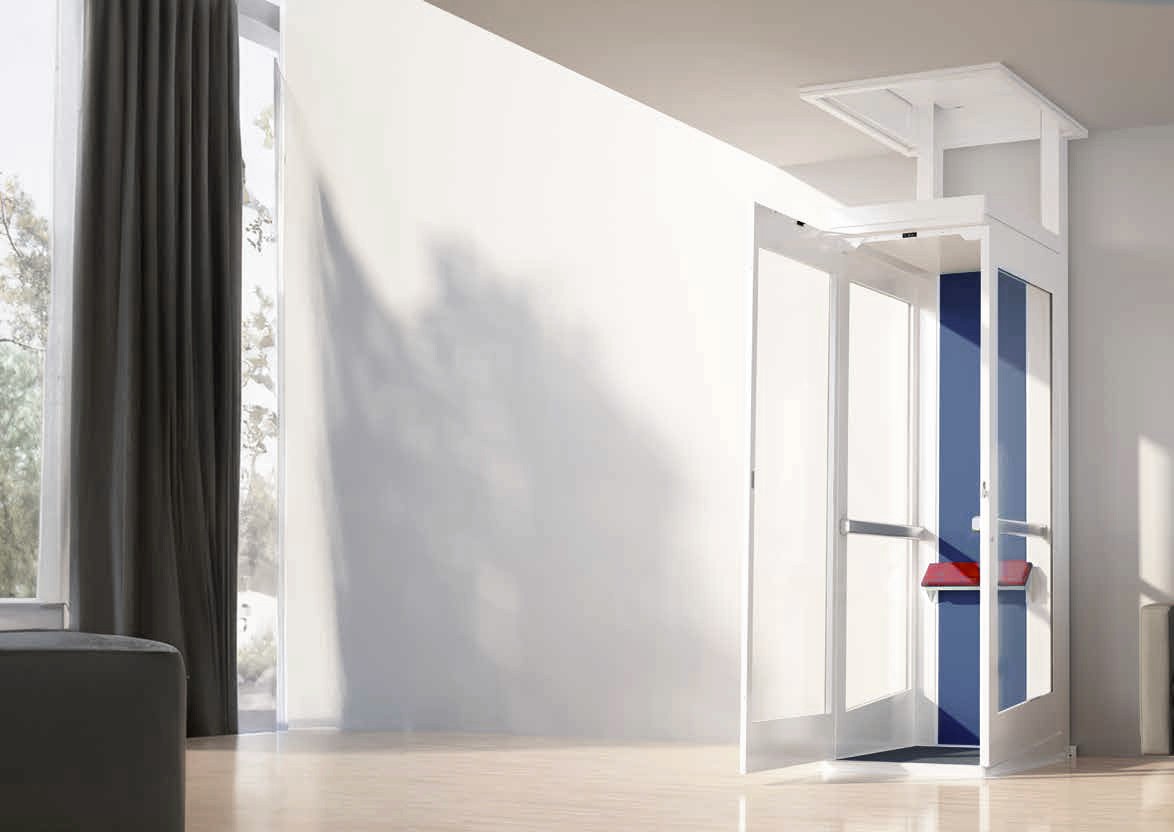
A standard annual cabin lift service typically covers:
Automatic door mechanism inspection and adjustment
Door interlock and safety edge test
Drive system inspection — hydraulic, electric screw, or pneumatic
Control panel, wiring, and call station inspection
Cabin interior condition check — walls, floor, handrails, lighting
Safety curtain or sensor inspection
Overspeed governor and braking system test
Emergency lowering system test
Battery backup and emergency lighting test
Pit inspection for water ingress, obstruction, or wear
Lubrication of all moving components
Full function test across all landings
Service report and certificate issued
LOLER Compliance for Cabin Lifts
Cabin lifts installed in commercial, retail, hospitality, educational, or public access settings are subject to the Lifting Operations and Lifting Equipment Regulations 1998 (LOLER).
Because cabin lifts are fully enclosed and carry passengers, they fall under the same LOLER framework as traditional passenger lifts. This means:
Thorough examination every 6 months for passenger-carrying use
Examination must be carried out by a competent person independent of the maintenance provider
A written examination report must be produced and retained
Defects presenting imminent danger must be reported to the relevant enforcing authority immediately
Cabin lifts in domestic properties are not subject to LOLER, but given the complexity of the equipment, annual servicing by a specialist engineer is strongly recommended — and often required to maintain manufacturer warranty.
How Often Should a Cabin Lift Be Serviced?
| Use Type | Recommended Frequency |
|---|---|
| Domestic / residential | Annually |
| Light commercial | Every 6–12 months |
| Retail, hospitality, public access | Every 6 months (LOLER) |
| High footfall commercial | Every 6 months (LOLER) |
| Post-repair or incident | Immediately |
Cabin lifts use different drive technologies, each with specific servicing requirements:
Hydraulic drive — requires hydraulic fluid level checks, seal inspection, and cylinder condition assessment. Fluid changes may be required periodically.
Electric screw drive — requires screw and nut wear assessment, lubrication, and motor inspection. The screw nut is a wear component that must be monitored.
Pneumatic (vacuum) drive — requires seal and valve inspection, vacuum pump condition check, and cylinder integrity test. Less common in commercial settings.
Platform Lift UK matches you with engineers experienced in your specific drive system.
Cabin Lift Brands We Cover
Automatic doors not opening or closing smoothly
Unusual noise or vibration during travel
Cabin not levelling accurately at landings
Emergency lighting not illuminating on test
Longer than normal travel time between floors
Error codes displayed on the control panel
Lift stopping unexpectedly between landings
Any visible oil leaks around the base or pit area (hydraulic models)
If you notice any of these, arrange a service or inspection call before continuing to use the lift.
Cabin lift servicing costs more than open platform lift servicing due to the additional systems involved — automatic doors, enclosed cabin, and more complex drive mechanisms. As a general guide:
Basic annual service: £250–£500
LOLER thorough examination: £250–£500
Combined service and LOLER: £400–£800
Call-out repair (labour only): £100–£300 per visit
Hydraulic fluid change: £150–£300 additional
Parts charged separately depending on requirement
VAT at the standard rate applies to all servicing and repair work.
Platform Lift UK helps you compare service costs from vetted engineers in your area — free of charge.
Cabin Lift Service Contracts
Given the complexity of cabin lifts and their LOLER obligations in commercial settings, a service contract is strongly advisable. A typical contract includes:
Scheduled service visits (annual or bi-annual)
LOLER thorough examination scheduling and reporting
Priority emergency call-out response
Discounted parts and labour rates
Maintenance and examination log kept on your behalf
Single point of contact for all faults and repairs
For commercial operators, a service contract also provides documentary evidence of compliance — essential for insurance, health and safety audits, and Equality Act obligations.
Platform Lift UK matches you with vetted service engineers across England, Wales, Scotland, and Northern Ireland — free of charge, no obligation.

Get Free Servicing Advice.
Is a cabin lift the same as a passenger lift for LOLER purposes?
A fully enclosed cabin lift that carries passengers is treated similarly to a passenger lift under LOLER and must be thoroughly examined every six months in commercial use. The key factor is whether the lift carries people — if it does, the six-month examination interval applies regardless of whether it is called a cabin lift or a platform lift.
Do domestic cabin lifts need LOLER examinations?
No. LOLER applies to lifting equipment used in a workplace or commercial setting. A cabin lift installed in a private domestic residence is not subject to LOLER, but annual servicing by a qualified engineer is strongly recommended by all manufacturers.
Can a standard lift engineer service a cabin lift?
A cabin lift should be serviced by an engineer with specific experience of the brand, model, and drive system. Cabin lifts have more complex door mechanisms, control systems, and drive components than open platform lifts. Always confirm the engineer's relevant experience before booking.
How long does a cabin lift service take?
A standard annual cabin lift service typically takes two to three hours depending on the drive system, lift age, and any issues found during the inspection.
What is included in a LOLER thorough examination for a cabin lift?
A LOLER thorough examination assesses the structural integrity and safety of the lift, including the drive system, safety devices, doors, controls, and supporting structure. It results in a written examination report stating whether the lift is safe to continue in service and noting any defects requiring attention.
What happens if a fault is found during servicing?
Minor faults will be rectified during the service visit where possible. More significant faults will be documented in the service report with a recommendation for repair. Safety-critical faults may require the lift to be taken out of service until the repair is completed.
