Vertical Platform Lifts: A Complete Buyer's Guide
Everything you need to know about vertical platform lifts — how they work, who they suit, what they cost, and what to look for when buying one in the UK.
What Is a Vertical Platform Lift?
A vertical platform lift — sometimes called a VPL — is a short-travel lift designed to move people between two levels vertically. They are typically used to provide access over a single floor level, though some models can travel several metres. Unlike a conventional passenger lift, they do not require a machine room or deep pit, and can often be installed with minimal structural work.
Vertical platform lifts are commonly used at residential entrances, in commercial buildings to provide DDA-compliant access, and within the home as an alternative to a through-floor lift.
How Does a Vertical Platform Lift Work?
Most vertical platform lifts operate using one of two drive systems:
Hydraulic drive — a hydraulic ram pushes the platform upwards. Smooth and reliable, hydraulic lifts are well suited to outdoor use and heavier loads.
Electric/screw drive — a motor drives a screw column to raise and lower the platform. These are typically more compact and suited to indoor installations.
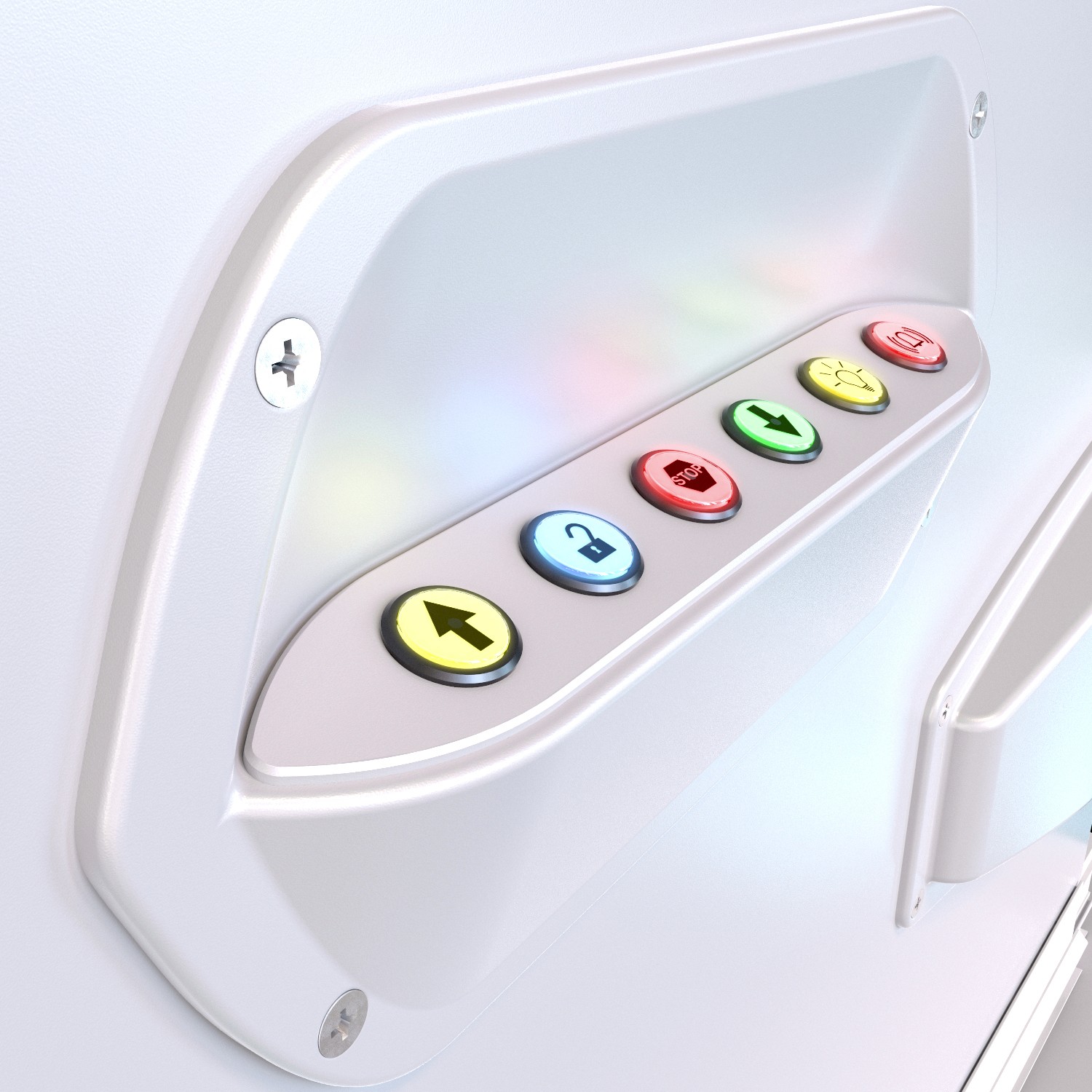
Both types are operated via simple controls on the platform itself, with call and send controls fitted at each level.
Where Can a Vertical Platform Lift Be Installed?
Vertical platform lifts are highly versatile and can be installed in a wide range of settings:
Residential front and rear entrances with steps
Inside the home to provide floor-to-floor access
Commercial premises requiring DDA-compliant access
Public buildings, churches, and community centres
Gardens and outdoor terraced areas
Many models are suitable for both indoor and outdoor use, with weatherproofed enclosures available for external installations.
What Are the UK Safety Standards for Vertical Platform Lifts?
In the UK, vertical platform lifts must comply with BS EN 81-41, which covers the safety rules for vertical platform lifts used by people with impaired mobility. Commercial installations must also meet the requirements of the Equality Act 2010 where the lift forms part of a DDA access solution.
Building control approval is required for most permanent installations. Your installer should handle this on your behalf.
How Much Does a Vertical Platform Lift Cost?
The cost of a vertical platform lift in the UK varies depending on the travel height, platform size, enclosure specification, and whether the installation is indoor or outdoor.
As a general guide:
Basic residential VPL — £5,000 to £10,000 supplied and installed
Mid-range with enclosure — £10,000 to £18,000
Commercial or bespoke specification — £18,000 to £30,000+
Ongoing servicing costs should also be factored in — annual servicing typically costs between £150 and £300 depending on the model and provider.
What to Look for When Buying a Vertical Platform Lift
When comparing vertical platform lifts, consider the following:
Travel height — ensure the lift can reach the height you need with adequate safety margin
Platform size — check that the platform is large enough for your wheelchair or mobility scooter
Load capacity — most residential VPLs carry between 250kg and 400kg
Indoor or outdoor rated — outdoor models require weatherproofed components and corrosion-resistant materials
Enclosure options — full enclosures provide weather protection and security for outdoor use
Safety features — look for obstruction detection, emergency stop, and battery backup
Compliance — confirm the model meets BS EN 81-41 and that building control approval will be obtained
