LOLER
A practical guide to LOLER — the Lifting Operations and Lifting Equipment Regulations 1998 — and what they mean for platform lift owners and businesses in the UK. Find out who is responsible, what inspections are required, and how to stay compliant.
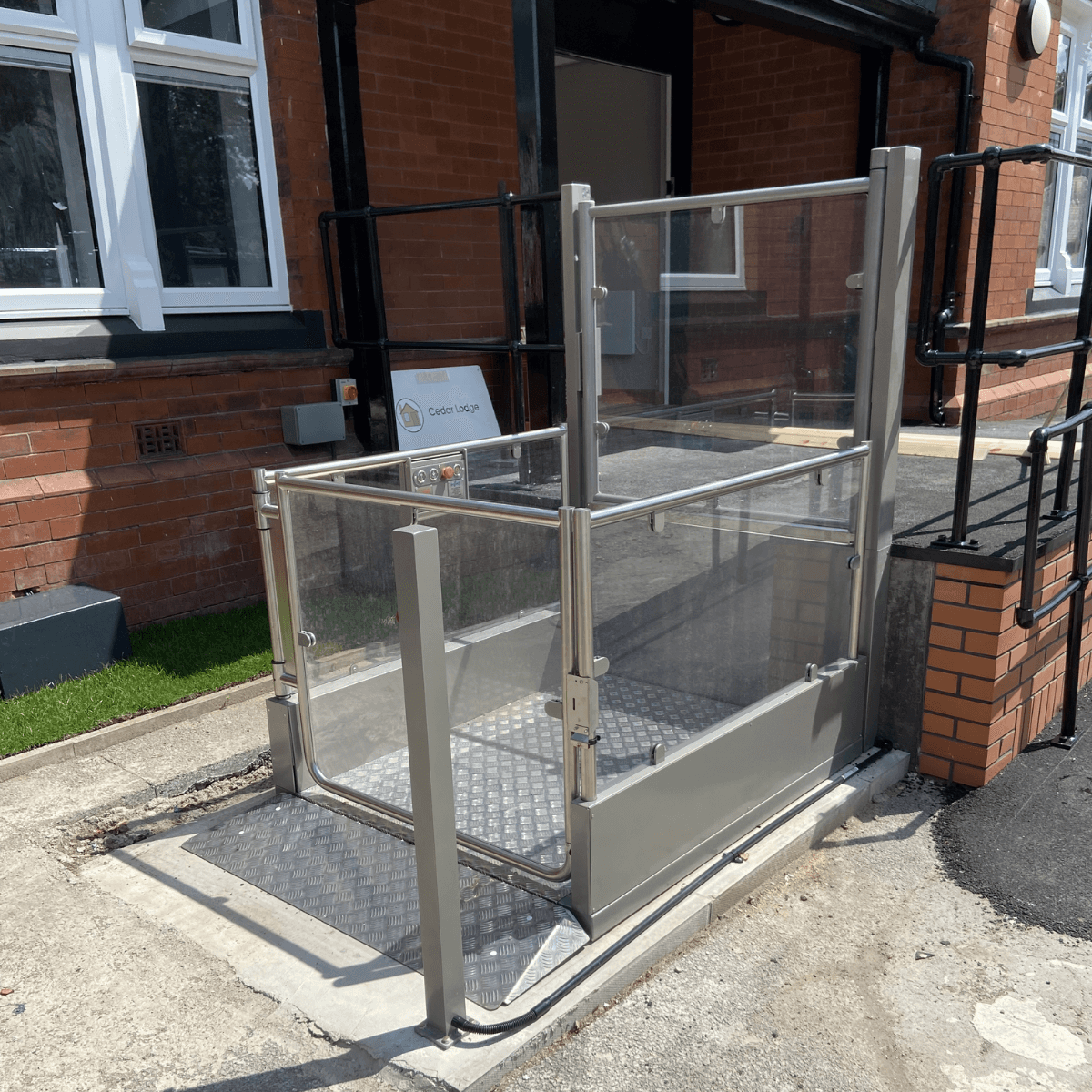
What Is LOLER?
LOLER stands for the Lifting Operations and Lifting Equipment Regulations 1998. It came into force on 5 December 1998 and is made under the Health and Safety at Work etc. Act 1974. LOLER applies to all lifting equipment used in the course of work activities and requires that it is:
Sufficiently strong and stable for its intended use
Positioned and installed to minimise risk
Used safely and maintained in a safe condition
Inspected regularly by a competent person
Operated by trained and competent people
LOLER is enforced by the Health and Safety Executive (HSE) in Great Britain and by the HSENI in Northern Ireland.
Does LOLER Apply to Platform Lifts?
Yes. LOLER applies to all commercial platform lifts used in the course of work activities, including:
Platform step lifts at commercial building entrances
Full-rise vertical platform lifts in offices, shops, schools, and public buildings
Inclined platform stairlifts in commercial and public buildings
Dumbwaiter lifts used to move goods between floors in commercial premises
The key test is whether the lifting equipment is used in the course of a work activity. If a platform lift is installed in a commercial or public building and is used by staff, visitors, or customers in connection with the operation of that business or premises, LOLER applies.
Does LOLER Apply to Residential Homelifts?
No. LOLER does not apply to lifting equipment used exclusively in a private dwelling for private domestic use. A homelift installed in a private home and used only by the residents is not subject to LOLER.
However, if a homelift is installed in a property that is also used as a workplace — for example where a carer regularly attends to carry out work — specialist advice should be sought. The key distinction is between private domestic use and use in the course of a work activity.
What Does LOLER Require?
1. Sufficient Strength and Stability
All lifting equipment must be of adequate strength and stability for its intended use. For platform lifts this means the lift must be rated to carry the loads it will actually be required to carry — including the combined weight of users, wheelchairs, mobility aids, and any goods carried.
2. Safe Positioning and Installation
The lift must be installed by a competent person following the manufacturer's instructions. Safety barriers, door interlocks, and platform edges must be correctly fitted and functioning.
3. Marking and Rated Capacity
All lifting equipment must be clearly marked with its safe working load (SWL). For platform lifts this information must be visible to users and the SWL must not be exceeded in operation.
4. Thorough Examination
This is the most significant LOLER requirement for platform lift owners and facilities managers. LOLER requires that all lifting equipment used for lifting people is thoroughly examined at least every six months by a competent person.
A thorough examination is a formal inspection — not the same as a routine service or maintenance visit. The competent person assesses the condition of the lift against the relevant safety standards and produces a written report. If a defect posing an imminent risk is found, the competent person must notify the employer immediately and inform the relevant enforcing authority.
5. Inspection Between Examinations
LOLER requires lifting equipment to be inspected at appropriate intervals between thorough examinations where necessary for health and safety. For platform lifts this typically means monthly visual checks by a responsible person within the organisation, recorded in a lift logbook.
6. Reports and Records
Written reports of each thorough examination must be retained on site. They are legal documents that must be made available for HSE inspection. Retaining reports for the full working life of the equipment is strongly recommended.
How Often Does a Platform Lift Need a LOLER Examination?
Lift Type | Examination Interval |
|---|---|
Platform lifts carrying people | Every 6 months |
Dumbwaiters / goods-only lifts | Every 12 months |
After exceptional circumstances | Before returning to service |
The interval can be adjusted as part of a written examination scheme prepared by a competent person where operating conditions justify a different interval.
Who Can Carry Out a LOLER Thorough Examination?
A thorough examination must be carried out by a competent person — someone with sufficient practical and theoretical knowledge to detect defects and assess their importance. In practice this means either:
A qualified lift engineer employed by a specialist lift maintenance company
An independent inspection body accredited for lift inspection
The examiner should be independent from the company carrying out routine maintenance. Using the same contractor for both maintenance and thorough examination creates a conflict of interest that is not best practice under LOLER.
Who Is Responsible for LOLER Compliance?
LOLER duties fall on employers and anyone who has control of lifting equipment in the course of a work activity. For a commercial platform lift this typically means:
The building owner or landlord — where they retain control of common areas
The business occupying the building — where they have control of the lift
The facilities manager or person responsible for health and safety
LOLER responsibility cannot be delegated away by contract. Appointing a lift maintenance company does not transfer the legal duty — the building owner or employer remains responsible for ensuring thorough examinations are carried out and reports are retained.
What Happens If You Fail to Comply with LOLER?
Failure to comply with LOLER is a criminal offence. Consequences include:
Improvement notices — requiring remedy within a specified time period
Prohibition notices — preventing use of the lift until the breach is remedied
Prosecution — leading to unlimited fines and in serious cases custodial sentences
Civil liability — if a person is injured due to non-compliance
Beyond the legal consequences, failure to inspect a commercial platform lift creates a genuine safety risk. Platform lifts carry people — including disabled users who may have no alternative route. Regular LOLER examinations are the primary mechanism for identifying developing defects before they become dangerous.
LOLER and Dumbwaiters
Dumbwaiters used in the course of a work activity are subject to LOLER even though they carry goods rather than people. The annual thorough examination requirement applies.
A dumbwaiter must never be used to carry people. Doing so constitutes a breach of both LOLER and the fundamental product certification of the equipment.
LOLER and New Platform Lift Installations
Before a new commercial platform lift is first used, LOLER requires a thorough examination unless documentary evidence of a prior examination is available. Reputable installation companies manage this as part of the commissioning process. Where an independent examination before first use is required, this should be arranged before the lift is opened to users.
LOLER Compliance Checklist for Platform Lift Owners
The lift is marked with its safe working load
The lift has been installed by a competent person to manufacturer specification
A thorough examination was carried out before first use
Six-monthly thorough examinations are scheduled and carried out by a competent person
Written reports of each examination are retained on site
Monthly user checks are recorded in a lift logbook
Any defects identified are remediated promptly
Staff who operate the lift are trained and competent
The lift is maintained under contract with a qualified lift engineer
Getting Help with LOLER Compliance
If you are unsure whether LOLER applies to your platform lift, or if you need to arrange a LOLER thorough examination, Platform Lift UK can connect you with vetted platform lift specialists across England, Wales, Scotland, and Northern Ireland who can advise on compliance requirements and arrange the necessary examinations. Our service is free to use and carries no obligation.
