Home Lift Grants & Finance UK | Disabled Facilities Grant Guide | Platform Lift UK
Find out how to fund a home lift in the UK. Covers the Disabled Facilities Grant, VAT relief, personal loans, and lift company finance options. Free advice from Platform Lift UK.
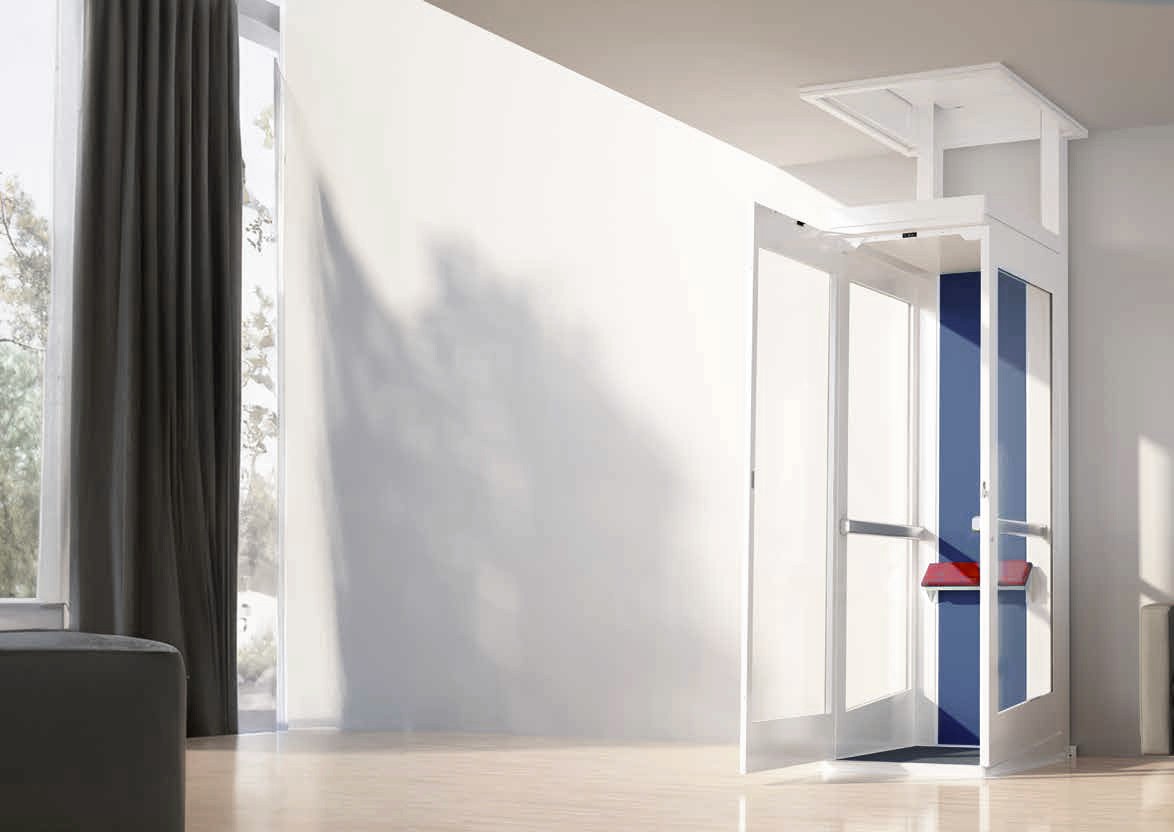
What Does a Home Lift Cost in the UK?
Before exploring funding options, it helps to understand what you are financing. The cost of a home lift in the UK varies depending on the lift type, the number of floors it needs to travel, and the specific requirements of your property.
As a general guide, through-floor homelifts typically start from around £17,500 for a basic model, with more advanced systems with larger cabins, greater travel distances, or enhanced finishes ranging from £22,000 to £35,000 or more. Platform stairlifts for wheelchair users tend to sit between £8,000 and £20,000 depending on whether the staircase is straight or curved. Step lifts for one or two steps typically start from around £6,389.
Installation costs, structural modifications, and any electrical upgrades required for your property may also add to the final figure, which is why getting a tailored quote from a vetted installer is always recommended before making any financial decisions.
The Disabled Facilities Grant: What It Is and Who Qualifies
The Disabled Facilities Grant (DFG) is a means-tested government grant available to homeowners, private tenants, and housing association tenants in England, Wales, Scotland, and Northern Ireland. It is one of the most significant sources of home lift financing available to UK residents and is specifically designed to fund adaptations that help disabled people live more independently at home.
In England, the maximum DFG award is currently £30,000. In Wales it is £36,000, and in Northern Ireland it is £25,000. Scotland operates its own scheme with varying local authority limits.
To qualify, you must be disabled as defined under the Equality Act 2010, and the adaptation must be considered necessary and appropriate by an occupational therapist. A home lift — particularly a through-floor homelift or platform lift — is one of the most commonly funded adaptations under the DFG, as it directly addresses the inability to access upper floors of a property independently.
The grant is means-tested for homeowners and private tenants, meaning your household income and savings will be assessed to determine how much of the cost the grant will cover. For some applicants, the DFG will cover the full cost of a home lift installation. For others, it may cover a significant portion, leaving a smaller amount to fund through other means.
Housing association tenants should contact their landlord in the first instance, as the DFG process works slightly differently for social housing.
How to Apply for the Disabled Facilities Grant
The DFG is administered by your local council. The application process typically involves the following steps. First, you contact your local authority's housing or adult social care team to express your need for an adaptation. An occupational therapist will then visit your home to assess your needs and confirm that the proposed adaptation — in this case a home lift — is necessary and appropriate. Your local authority will then assess your financial circumstances to determine the level of grant you are eligible for. Once approved, you will receive a formal grant offer and can proceed with getting quotes from approved or vetted contractors.
The process can take several months from initial application to grant approval, so it is worth starting as early as possible. Some local authorities have waiting lists for occupational therapist assessments, which can add time to the process.
It is also worth noting that you should not proceed with any installation work before your grant is formally approved, as this can affect your eligibility.
Other Government and Charity Funding Sources
Beyond the DFG, a number of other funding sources may be available depending on your circumstances.
The Foundations Home Improvement Agency can help older and disabled people navigate the grants and funding available in their area, and in some cases can assist with topping up a DFG where the full cost exceeds the grant limit.
The Motability Scheme, while primarily associated with vehicles, occasionally has links to home adaptation funding for eligible recipients. Age UK and local disability charities sometimes hold small grants or emergency funds for home adaptations and are worth contacting if your DFG does not cover the full cost of your home lift.
Veterans who have sustained disabilities during service may be eligible for additional support through the Veterans' Covenant or the Armed Forces Covenant Fund, which can sometimes fund home adaptations including lift installations.
Personal Loans and Finance for Home Lifts
If you do not qualify for the DFG, or if your grant does not cover the full cost of a home lift, a personal loan is one of the most straightforward ways to fund the remaining balance. Most high street banks and specialist lenders offer unsecured personal loans for home improvements, typically at fixed interest rates over terms of one to seven years.
When comparing personal loan options, look at the annual percentage rate (APR) rather than the headline interest rate, as the APR includes all fees and gives you a true picture of the cost of borrowing. For a loan of £15,000 to £25,000, rates from reputable lenders typically range from around 6% to 12% APR depending on your credit profile and the lender.
Secured loans, sometimes called homeowner loans, allow you to borrow against the equity in your property. These typically offer lower interest rates than unsecured loans but carry the risk that your home could be repossessed if you cannot keep up with repayments. They are generally more suitable for larger borrowing amounts.
Finance Options Offered by Lift Companies
Many lift installation companies now offer their own finance packages, which can be a convenient way to spread the cost of a home lift without having to arrange separate funding. These typically take the form of interest-free credit for a fixed period, or low-rate monthly payment plans arranged through a third-party finance provider.
Some vetted lift companies in the Platform Lift UK network offer finance options directly as part of their installation service. This can be particularly useful if you need to bridge the gap between a Disabled Facilities Grant and the full cost of your chosen lift, or if you would simply prefer to spread the investment over time rather than pay in full upfront.
When exploring finance offered by a lift company, always check the total amount repayable, the length of the agreement, and whether there are any early repayment charges. Finance offers vary between companies, so it is worth asking about this when you receive your installation quotes.
Using Multiple Funding Sources Together
It is entirely possible — and often necessary — to combine funding sources to cover the full cost of a home lift. A common approach is to use the DFG to cover the majority of the cost and then use a personal loan, savings, or lift company finance to cover any remaining balance. Some homeowners also use equity release products, although these carry their own considerations and professional financial advice is strongly recommended before pursuing this route.
If you are in receipt of certain means-tested benefits such as Universal Credit, Housing Benefit, or Pension Credit, you may be eligible for a higher DFG award or reduced means-testing, so it is always worth disclosing your full benefit entitlement when you apply.
Getting the Right Advice
Financing a home lift involves navigating both the care and funding systems, which can feel complex. An occupational therapist referral is the starting point for DFG access, and your local authority's housing team can advise on what is available in your area.
For financial advice specific to your circumstances — particularly if you are considering a secured loan or equity release — an independent financial adviser regulated by the Financial Conduct Authority (FCA) is the appropriate professional to consult. Platform Lift UK is not a financial adviser and the information in this article is intended as general guidance only.
What we can help with is connecting you with vetted lift installation companies across the UK who can provide detailed quotes, discuss the lift types that best suit your property and mobility needs, and in many cases explain the finance options they have available. Our matching service is completely free to use, with no obligation to proceed.
See more articles
